Treatment · Clear Aligners
Straightening teeth, discreetly.
Clear aligners are a series of removable, close-fitting trays that move teeth gradually. They can suit some adults and teenagers with mild to moderate crowding or spacing. An assessment tells us whether they’re right for you.
- Often includes
- An assessment, digital scans, a series of aligners and regular reviews
- Who it’s for
- Some adults and teenagers with suitable crowding, spacing or bite issues
- First step
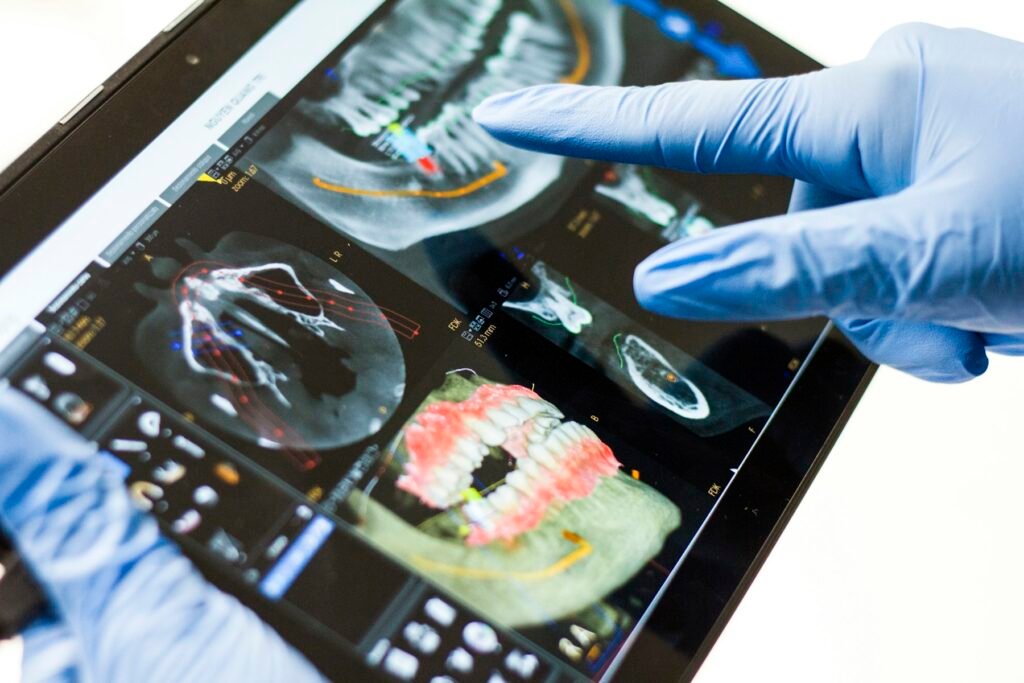
- An aligner consultation and scan
Overview
How clear aligners work
Each aligner is made to fit your teeth and is worn for a set period before moving on to the next. Small, planned changes from one aligner to the next move the teeth gradually.
Aligners need to be worn for most of the day and removed to eat and drink anything other than water. How well treatment works depends a great deal on wearing them as advised.
Not every case is suitable for aligners. Some situations are better treated with fixed braces or by a specialist orthodontist, and your dentist will tell you if that applies to you.
Why patients enquire
Why patients ask about aligners
- Crowded teeth Teeth that overlap or have twisted over time.
- Gaps Spaces between teeth that you would like to close.
- Relapse after braces Teeth that have moved since earlier orthodontic treatment.
- A discreet option Preferring something less visible than fixed braces.
- Easier cleaning Being able to remove aligners to brush and floss.
- Before other treatment Aligning teeth before cosmetic or restorative work.
The process
What it generally involves
Every plan is individual. This is the usual shape of treatment; your dentist will explain exactly what applies to you.
01
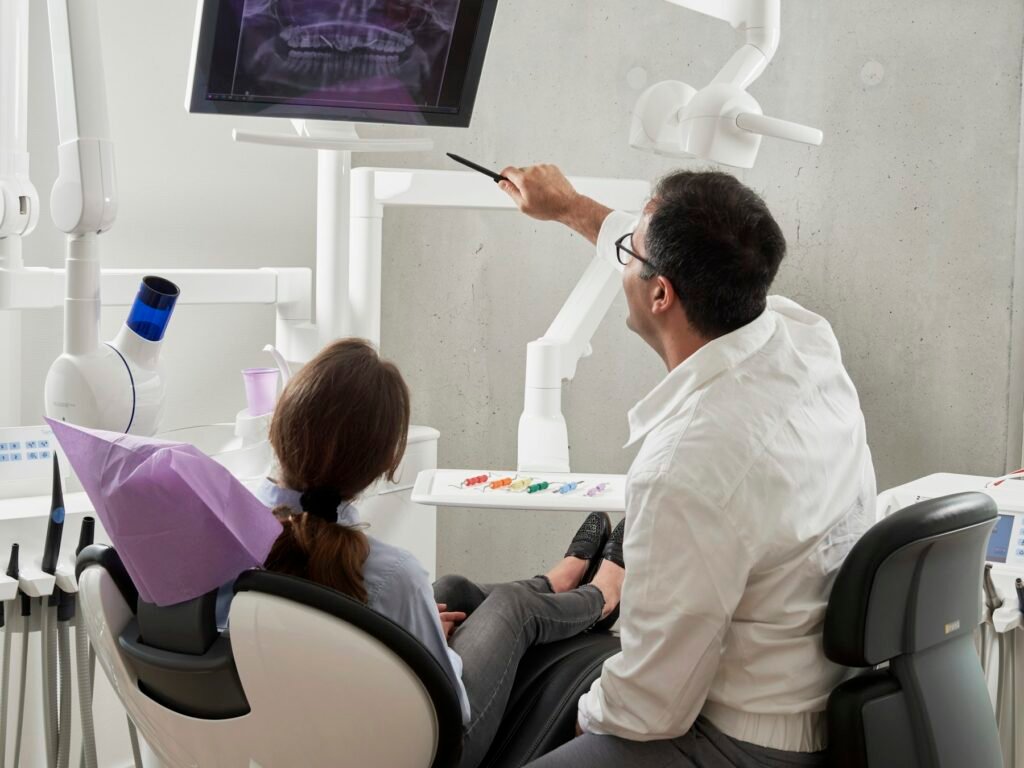
Assessment and scan
An examination and a digital scan of your teeth, with photographs if helpful.
02
Treatment plan
Your dentist explains the planned movement, the likely duration and the cost, and whether aligners suit your case.
03
Wearing your aligners
You change aligners on a schedule, with regular check-ins to review progress.
04
Retention
Retainers help hold teeth in their new position. Your dentist explains how and when to wear them.
Is it right for me?
Clear aligners are not suitable for every bite or every patient, and results depend on individual factors and on wearing the aligners as directed. A qualified dental professional must assess your teeth before treatment can be recommended.
Questions
Questions about clear aligners
Can’t see your question? Call the practice and speak to someone who can help, or browse all FAQs.
Are clear aligners right for me?
They suit some cases but not all. Your dentist will assess your teeth and bite and explain whether aligners, braces or a referral would be most appropriate.
How long does aligner treatment take?
It depends on the movement needed and on wearing the aligners as advised. Your plan will include an estimate, which is reviewed as treatment progresses.
Will aligners affect my speech?
Some people notice a slight change for the first few days while they adjust.
Do I need a retainer afterwards?
Usually yes. Teeth can move back over time, so retainers are an important part of treatment.
Related
Related treatments
Appointments
Talk to us about clear aligners.
Request a consultation and your dentist will assess whether this treatment suits you and explain every option.
Opening hours
| Monday – Thursday | 8:00am – 6:00pm |
|---|---|
| Friday | 8:00am – 4:00pm |
| Saturday | Selected mornings, by appointment |
| Sunday | Closed |
New patients welcome. For urgent dental pain, please call rather than using the form.